

tinted glazing
Understanding Level Suppliers in Supply Chain Management In today’s globalized economy, the concept of suppliers plays a crucial role in the success and efficiency of any business. Among the various categories of suppliers, level suppliers are particularly significant, as they represent different tiers in the supply chain. Understanding level suppliers, their roles, and how they impact businesses is essential for anyone involved in supply chain management. What are Level Suppliers? Level suppliers are categorized based on their proximity to the manufacturer or end-user in the supply chain. They are often classified into three levels 1. First-Tier Suppliers These are direct suppliers who provide materials or components to manufacturers. For instance, if a car manufacturer sources tires directly from a tire manufacturer, the tire supplier is considered a first-tier supplier. 2. Second-Tier Suppliers These suppliers provide products or materials to first-tier suppliers. Using the car manufacturing example, if the tire manufacturer sources rubber from a rubber processor, that rubber processor is a second-tier supplier. 3. Third-Tier Suppliers Often further removed from the end manufacturer, these suppliers provide raw materials or components to second-tier suppliers. In our example, if the rubber processor sources natural rubber from plantations, then those plantations constitute third-tier suppliers. This tiered system helps businesses manage their relationships with suppliers more effectively, allowing them to understand the complexities of their supply chains and the interconnections between different supplier levels. Importance of Level Suppliers 1. Cost Management By identifying and managing levels of suppliers, businesses can better control costs. First-tier suppliers may charge more for their goods, but they often provide higher quality or more specialized products. By examining the entire supply chain, companies can find ways to reduce costs without sacrificing quality. level supplier 2. Quality Assurance The level of a supplier often directly impacts the quality of the finished product. Manufacturers must ensure that not only first-tier suppliers meet quality standards but also that second- and third-tier suppliers do as well. This can be achieved through supplier audits and assessments, ensuring that quality is maintained throughout the supply chain. 3. Risk Management Understanding supplier levels aids in risk management. Disruptions can occur at any level of the supply chain, so being aware of the entire network of suppliers helps businesses prepare for potential issues. For example, if a natural disaster impacts third-tier suppliers, it may affect first-tier suppliers, and consequently, the manufacturer. Being aware of these levels allows companies to diversify their supplier base, reducing dependency on single suppliers and mitigating risk. 4. Improving Collaboration Effective collaboration with suppliers at all levels can lead to innovation and improved processes. By fostering strong relationships with first, second, and third-tier suppliers, companies can encourage new ideas and solutions, leading to enhanced products and services. 5. Sustainability As sustainability becomes increasingly important in today’s market, companies must consider the practices of their suppliers at all levels. Understanding where materials come from allows firms to ensure they are sourcing sustainably, thereby improving their overall environmental impact. Challenges in Managing Level Suppliers While the benefits of managing level suppliers are numerous, challenges do exist. Communication can become complex as the number of supplier tiers increases, and ensuring compliance with standards at all levels can be difficult. Additionally, businesses often struggle with transparency in their supply chains, making it hard to track the origins of materials and the practices of all suppliers involved. Moreover, geopolitical issues, trade policies, and fluctuating market conditions can further complicate supplier relationships. Adopting technologies such as blockchain can help improve transparency and traceability in the supply chain, but these innovations also require investment and training. Conclusion In conclusion, understanding level suppliers is vital for creating an efficient and resilient supply chain. By categorizing suppliers, businesses can better manage costs, quality, risks, and sustainability practices. While challenges exist, the benefits of effectively managing level suppliers far outweigh the potential drawbacks. As the business landscape continues to evolve, organizations that prioritize and streamline their relationships with suppliers at all levels will be better positioned to thrive in an increasingly competitive environment.
about
tinted glazing
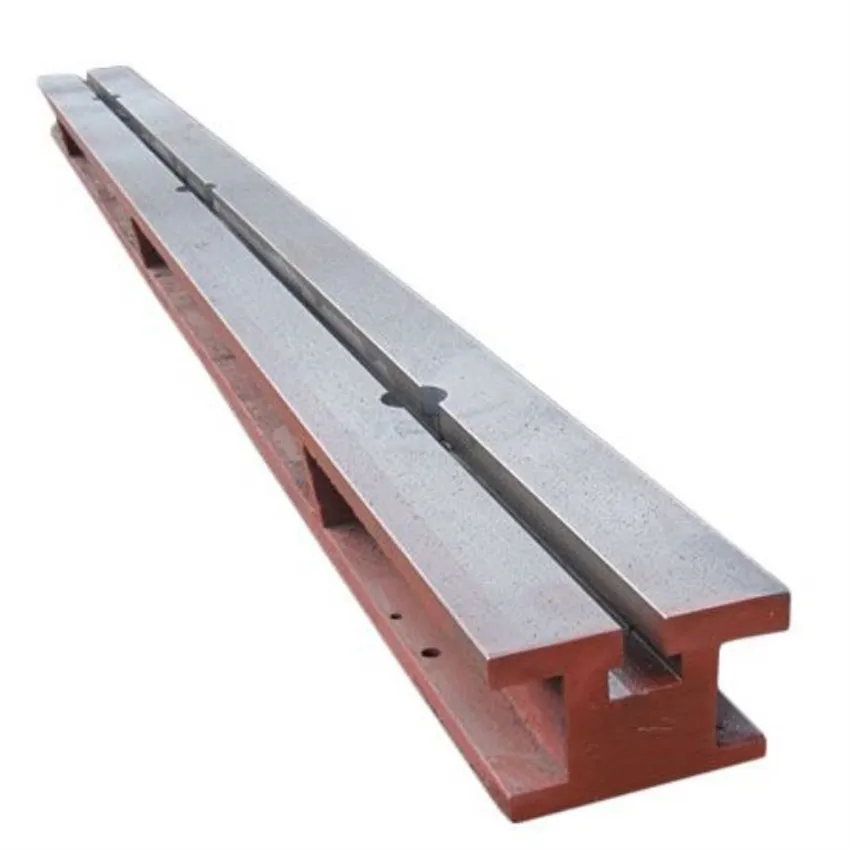
Whether you're a professional craftsman, a DIY enthusiast, or someone who needs to ensure precision in their work, a straight edge ruler is an indispensable tool. From cutting and measuring to leveling and aligning, these versatile instruments are designed to provide the highest accuracy. This article explores the essential features of various straight edge rulers , including metal straightedge models, and their applications in different fields. We will also highlight the importance of using the right metal straight edge ruler for your specific tasks. Straight Edge Rulers for Cutting: Achieving Perfect Precision A straight edge ruler for cutting is crucial for ensuring clean, accurate cuts every time. These rulers are designed to guide cutting tools, such as knives, utility blades, and saws, ensuring straight and even cuts, especially when dealing with materials like paper, wood, metal, or plastic. A reliable straight edge ruler allows you to maintain the integrity of your project by reducing the risk of misalignment, which can lead to mistakes and waste. The straight edge ruler for cutting is made of durable materials that resist wear and tear, maintaining a sharp edge over time. It often comes with non-slip backing or grips that prevent it from moving during cutting, ensuring that your cuts stay precise. This feature is especially useful for professionals in industries such as carpentry, construction, and graphic design. With the right straight edge ruler for cutting , your work becomes not only easier but also more efficient and professional. Whether you are cutting intricate designs or making large, straight cuts, a straight edge ruler provides the accuracy and support needed to achieve the best results. Investing in a quality straight edge ruler for cutting ensures that your tools will last longer, your work will be neater, and your time will be spent on more productive tasks. Metal Straight Edge Ruler: The Durable Option for Long-Term Use When durability and precision are essential, a metal straight edge ruler is often the best choice. Unlike plastic or wooden rulers, metal straight edge rulers are designed to withstand harsh conditions and heavy usage, making them the go-to tool for professionals who rely on accuracy. A metal straight edge ruler is typically made from high-quality stainless steel or aluminum, which provides a rigid structure that resists bending or warping. These metal straightedge rulers are perfect for applications requiring long-lasting, robust measuring tools. They are commonly used in industries like engineering, construction, and machining, where precision is crucial. Whether you're marking measurements, leveling machinery, or inspecting flat surfaces, a metal straight edge ruler guarantees a consistent, straight edge that holds up over time. The sturdy construction ensures that the ruler will not distort, providing long-term reliability for all your projects. One of the biggest advantages of a metal straight edge ruler is its ability to provide accurate results even in challenging environments. Its high resistance to wear and corrosion makes it ideal for use in workshops, factories, and laboratories where tools are subject to frequent handling and exposure to different elements. The Versatility of Metal Straightedge Rulers The metal straightedge is not just a ruler; it's a versatile tool that serves multiple functions. In addition to measuring and marking, metal straightedge rulers are commonly used for spotting bearing surfaces and checking surface flatness, which are critical tasks in many mechanical and engineering applications. These tasks are essential for the alignment of machinery, which ensures that mechanical components work together smoothly, reducing the chances of errors and wear over time. For instance, a metal straightedge is invaluable when leveling large pieces of equipment or during hand scraping operations where precision is crucial. It is used to ensure that the surfaces of machine tables, lathe beds, and machine ways are flat and free from imperfections. This use of metal straightedge rulers in machinery setups is crucial for maintaining the accuracy of heavy machinery, allowing for consistent performance even under demanding conditions. The versatility of a metal straightedge extends to industries such as automotive, aerospace, and construction, where precise alignment and measurements are necessary. It serves as a multipurpose tool, whether you're performing a basic measuring task or conducting detailed inspections. Whether used for spotting bearing surfaces , leveling, or alignment, metal straightedge rulers ensure that every task is performed with the highest precision. Straight Edge Ruler Price: Investing in Quality for Long-Term Savings When considering a straight edge ruler , it’s essential to look at the price as an indicator of quality and long-term value. While cheaper models may seem appealing in the short term, they often fail to deliver the accuracy and durability that professionals require. Straight edge ruler prices can vary depending on material, size, and features, but investing in a high-quality metal straight edge ruler will save you money in the long run by reducing the need for replacements and repairs. The price of a straight edge ruler can range from affordable options for basic tasks to higher-end models designed for industrial use. Metal straightedge rulers , for example, may cost more upfront, but their durability, precision, and ability to withstand harsh conditions make them a better investment for anyone who uses their tools regularly. In contrast, plastic or low-grade metal rulers may wear out quickly, costing you more in replacements over time. By choosing the right straight edge ruler for your needs and budget, you ensure that you’re getting the best value for your money. For those looking for consistent performance, high precision, and longevity, investing in a metal straight edge ruler or a straight edge ruler for cutting can help you avoid costly mistakes and downtime. FAQs About Straight Edge Rulers What is a straight edge ruler used for? A straight edge ruler is used to create precise, straight lines and measure lengths accurately. It is commonly used in a variety of fields, including carpentry, graphic design, engineering, and machining. What is the difference between a metal straightedge and a plastic ruler? A metal straightedge is more durable and provides a higher level of accuracy compared to plastic rulers. It is less likely to bend or warp over time, making it ideal for heavy-duty applications where precision is critical. Why should I choose a metal straight edge ruler over a plastic one? Metal straight edge rulers are more durable, long-lasting, and accurate than plastic ones. They can withstand harsher conditions, such as exposure to heat, moisture, and heavy usage, making them ideal for industrial and professional tasks. Can a straight edge ruler be used for cutting? Yes, straight edge rulers for cutting are specifically designed to help guide cutting tools along a straight path. These rulers prevent misalignments during cutting, ensuring clean, accurate cuts. What is the price range for a high-quality metal straight edge ruler? The price of a metal straight edge ruler varies depending on its material, size, and precision features. Basic models may cost as little as $10, while high-quality industrial models can range from $50 to $200 or more. A straight edge ruler is an essential tool for anyone who values precision and accuracy in their work. Whether you need a metal straight edge ruler for heavy-duty tasks, a straight edge ruler for cutting , or a versatile metal straightedge for marking and alignment, these tools provide the precision and durability that professionals rely on. Don’t compromise on quality – investing in a metal straight edge ruler will pay off in the long run by ensuring accurate results and reducing the need for replacements. Ready to upgrade your tools? Visit our website today and explore our wide selection of metal straight edge rulers , straight edge rulers for cutting , and more. Find the perfect tool to meet your needs and take your projects to the next level!
-

High quality industrial productsagement

High quality industrial products
View Details -

Meet the diverse needs of customers

Meet the diverse needs of customers
View Details -

Strict quality control

Strict quality control
View Details -

Top raw materials

Top raw materials
View Details -

Trusted supplier

Trusted supplier
View Details
Our application


news and information
Water Valve Shutoff System for Efficient Water Management and Control
Understanding Water Valve Shutoff Key Insights for Homeowners Water valves are essential components
water line check valve
Understanding the Importance of Water Line Check Valves Water line check valves play a crucial role
Wooden joist hanger connectors for secure structural support.
The Importance of Wood Joist Hangers and Connectors in Construction Wood joist hangers and connecto
 English